
Designing warehouse apps people actually want to use
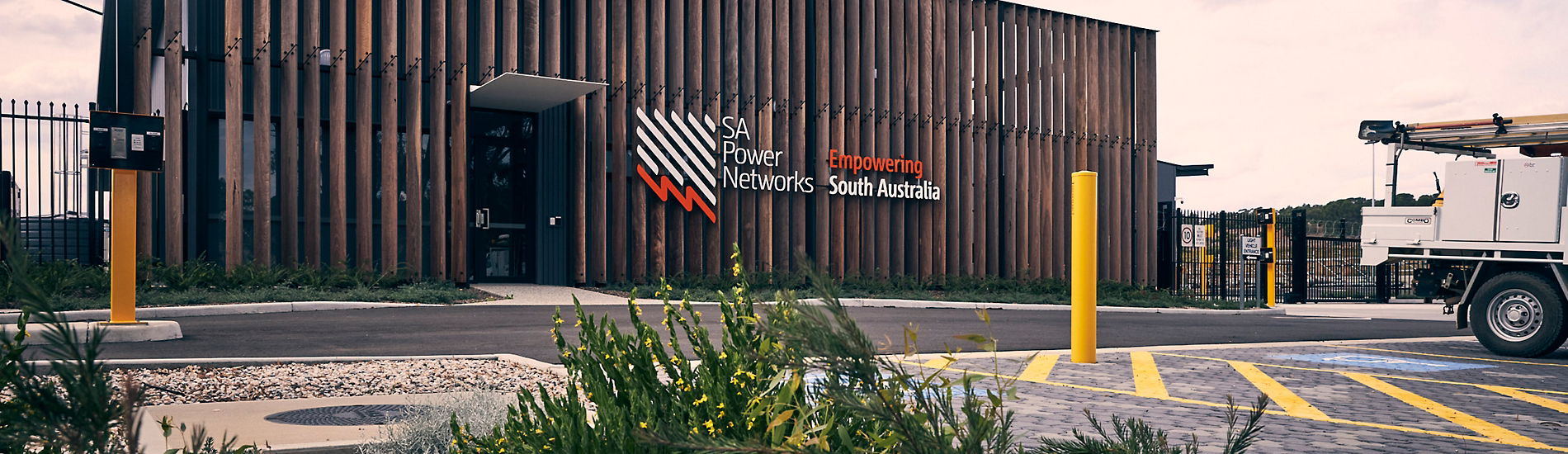
SA Power Networks' Angle Park warehouse had run on a version of SAP Warehouse Management since 1997. With SAP ending support, the business was migrating to embedded SAP Extended Warehouse Management (EWM).
The warehouse team had used the existing app for more than 10 years. Their workflows were deeply ingrained, so moving to a completely new system risked disrupting the flow they relied on every day.
Every operator works on a Toughpad while wearing safety gloves. The experience had to work with limited dexterity, movement and real-world warehouse conditions — without adding friction to critical tasks.
With the existing system becoming redundant by the end of the year, there was little room for a slow transition. We had to design, test and refine the new experience quickly enough to be ready for the changeover.
Aplo joined the project to put the people doing the work at the centre of it. Rather than design around the new system, we started with how the warehouse actually operates, working alongside SA Power Networks' team to observe, listen and learn before shaping anything.
We ran 30 workshops and nearly 12 floor-based shadow sessions to understand the warehouse from the people doing the work. In the workshops we captured functional requirements and the true process the team followed, from both the frontend and the backend. On the floor, our researchers walked each process alongside the team, tracking their movements on the toughpads and capturing a day in the life of every role.
We translated everything we observed into complete end to end journey maps and a clear set of pain points. Each map captured what people do, how they do it and why, so the friction stood out against the real flow of work.

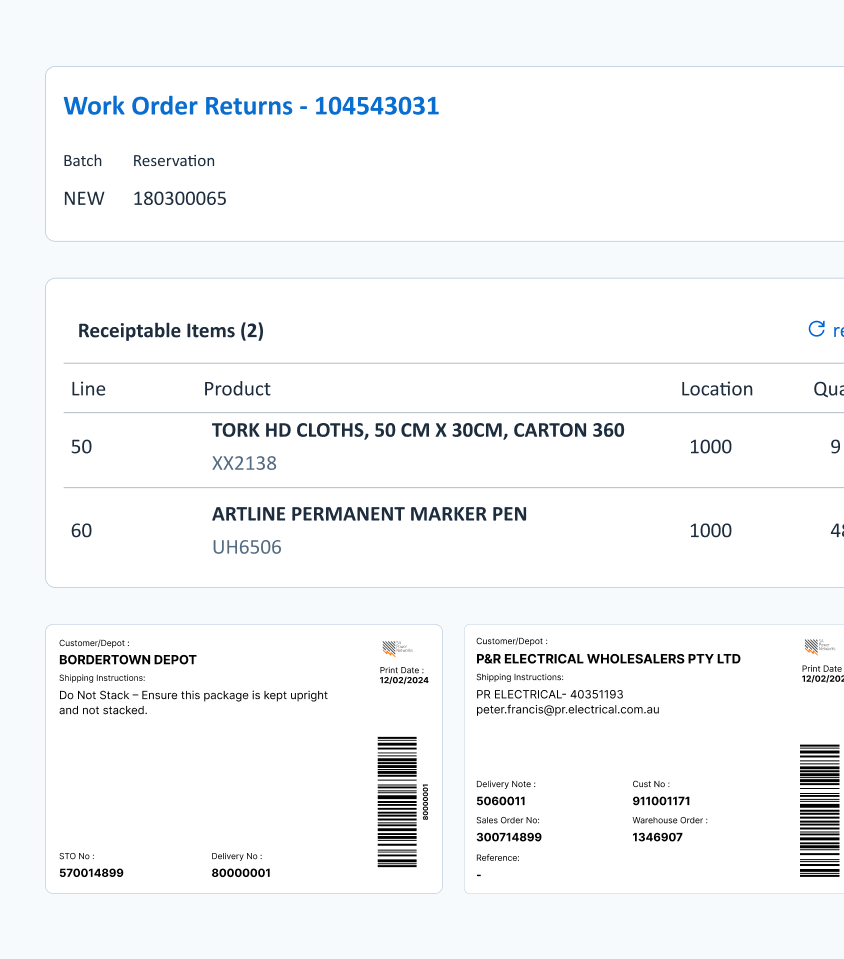
We built early prototypes from the shadow sessions and played them back to the warehouse team alongside their own journey maps and pain points. For a team whose day to day hadn't been closely looked at in some time, seeing their work reflected back mattered. It showed them they had been heard, and that we were on the right track, and that trust carried through the rest of the project.
From there we worked in a continuous loop of design, feedback and testing with the team. We would share the work, gather feedback, refine and test again, until the design reached a solid working point and was handed to the developers to build. Once built, we ran multiple rounds of user testing with the SMEs and checked in one on one after development to catch anything still missing.
Finally, we took the finished app back onto the warehouse floor and tested it in real conditions against the old system. The difference was visible: the team moved through their work with more ease and speed. We then supported the transition with practical guides, training sessions and videos to help embed the new ways of working.
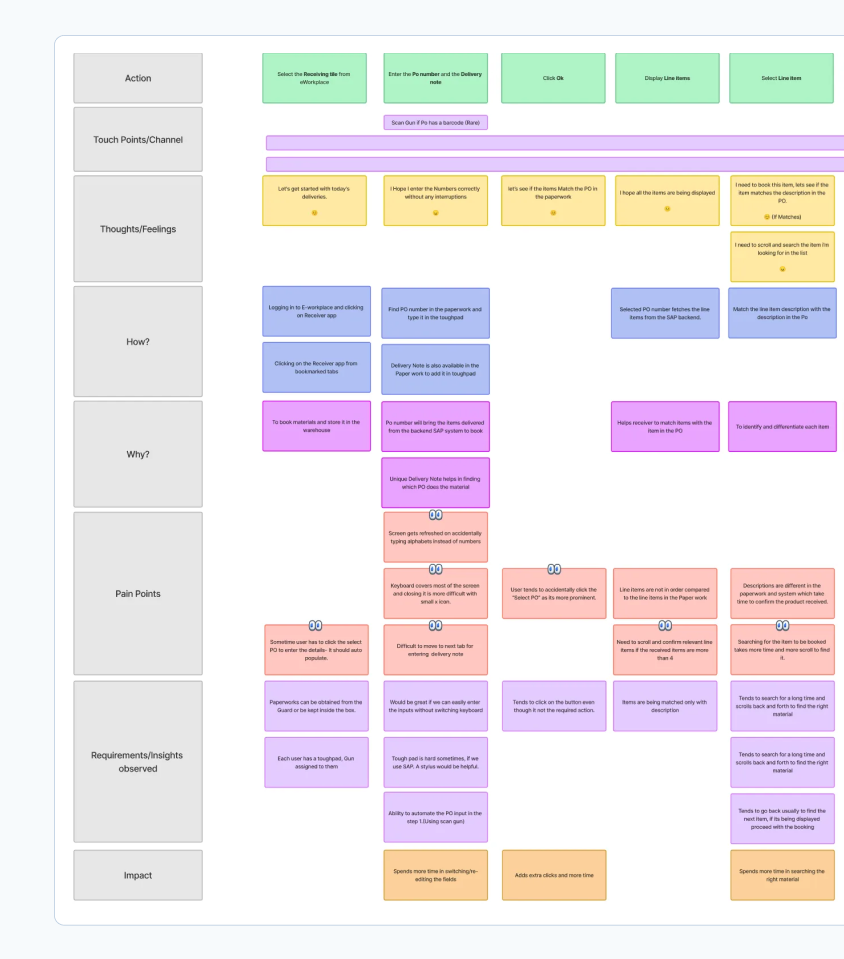
SA Power Networks now has a warehouse experience designed around how its people actually work.
Faster everyday tasks
Fewer clicks and simpler workflows helped the team move through repetitive warehouse tasks with greater ease and speed.
Less manual work
Barcode scanning and automated labels removed typing and manual workarounds, reducing unnecessary steps and potential errors.
One connected workflow
Previously separate apps were brought together into a more connected experience, reducing switching and keeping work moving.
Confident adoption
The team adapted quickly after training and were comfortable using the new app in their day-to-day work.
The changes made a noticeable difference, and our team was genuinely happy with both the process and the outcome. It reinforced a strong sense of collaboration and trust.
— Paul Sumner, Warehouse Team Leader, SA Power Networks